
We saw during our study and in our wider work how engagement with outdoor spaces acts like a mirror of the care organisation’s underlying care culture. Attitudes towards risk reveal a great deal about any fears that may be holding back or inhibiting staff stepping into the garden or encouraging residents to do so, as and when they wish.
Fear is a powerful emotion. It can make us doubt ourselves, question our abilities, and create a sense of feeling unsafe or insecure. One of its principal effects is to cause us to stop, delay or avoid doing something and this can easily manifest itself in the organisation’s care culture, through, for example, restrictive or complex policies and thus impact on the ability of residents to live their lives to the full.
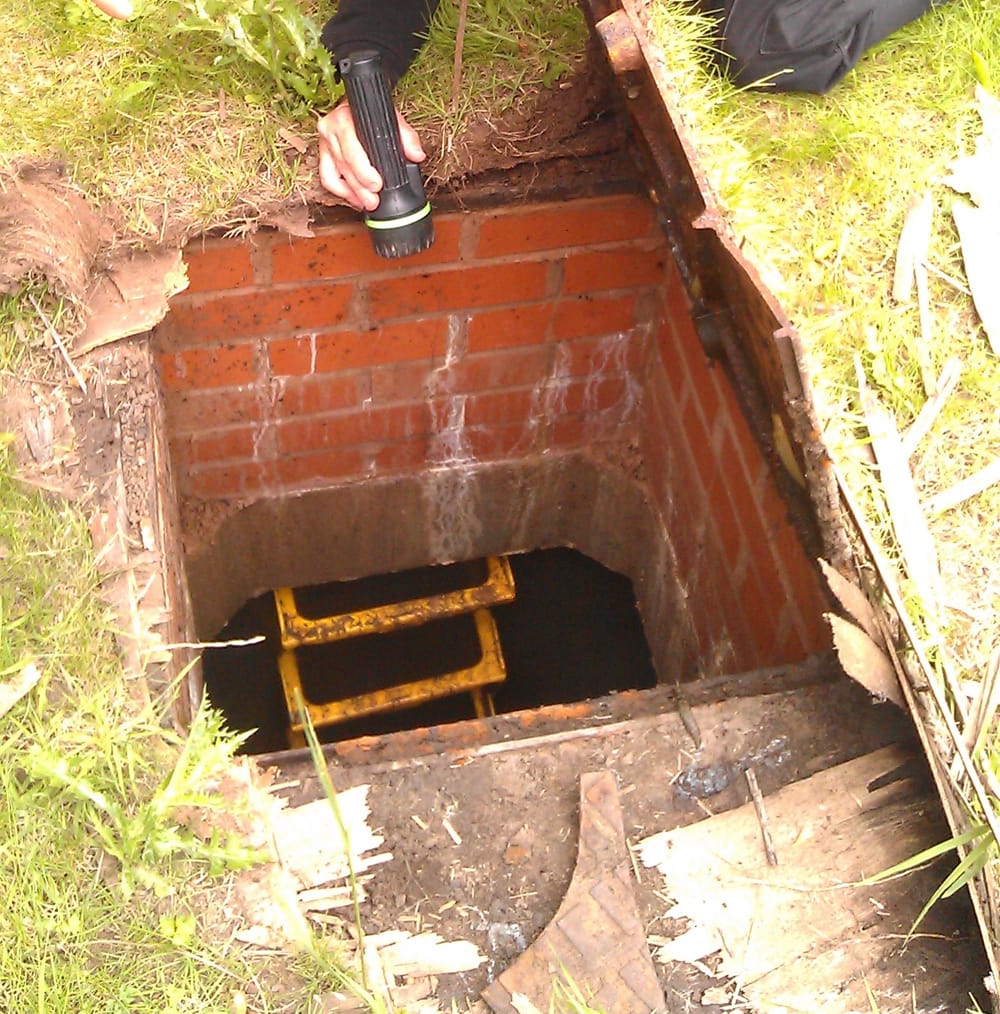
One of the care homes in our research project informed us that because there was a broken paving slab outside the door leading to the garden, it would not be possible to use the garden at all that summer and therefore the home would not be able to take part in our data gathering exercise. This risk assessment was in sharp contrast to the response at another home where a broken manhole cover over a mineshaft was discovered and then fixed in 24 hours because a particular resident living with a dementia liked to spend most of his days outside.
 We noticed that fears were more likely to manifest in care homes that were lower down on our care culture spectrum (see more about this on our research page). These care settings generally held fearful attitudes towards Health and Safety and a culture of unquestioning compliance to outdated or plainly wrong interpretations of risk or Health and Safety best practices.
Beliefs inform the fears
Why had the first home not simply repaired the broken paving slab? Why did it appear that they used this as an excuse not to go out into the garden at all that summer? Could the broken paving slab have been conveniently used to disguise a bigger fear: that the home believed the garden was a dangerous place for its residents? If there is a belief that the garden is dangerous then this is likely to manifest as reluctance to engage with that outdoor space, and to delay necessary repairs, which can mean that over time, it becomes normal not to use the garden at all.
Beliefs have a big impact on our behaviour and our practices, whether or not the belief is actually true or not. At the home that repaired the manhole cover within 24 hours, the organisation believed that engaging with the garden regularly was of utmost importance to their residents. This belief informed the manner and speed in which the problem was resolved and also showed us that this setting reduced the ability of fears to proliferate and negatively influence their care practices. Beliefs lead to values which in turn are reflected in what the organisation places importance on, and that are properly supported and funded.
How did they reduce the fears in their care setting? The simple answer lies in the quality and frequency of information-gathering about their residents and making sure it was shared widely and regularly. The key difference between the fearful homes and the more progressive ones in our study was around how well they knew their residents and their risk assessment practices. Homes practising person-centred care and beyond were risk assessing their individual residents’ abilities to engage with an item, garden feature or activity safely, as opposed to risk assessing the item (or garden) itself.
A characteristic of homes practising person-centred care is their emphasis on remaining curious and interested in their residents as individuals, constantly alert to new information that sheds light on behaviours or preferences. They fully understand that fear takes hold in the absence of information and so their deep knowledge of their residents allows them to provide the most appropriate support ensuring that residents who wish to go into the garden are enabled and supported to do so according to their current level of need.
Our ‘Why don’t we go into the garden?’ series of Books and Tools provide a range of support to both the Care and Design sectors with the aim of improving residents lives, enabling them to step outside as they wish.
Step Change Design focuses on encouraging care settings to take a fresh look at their care culture practices helping to embed Person-Centred care in order to enable residents to engage actively and meaningfully with their outside spaces. Our work is based on our large scale research project to understand why care setting gardens are not more actively used. They also support Garden Designers in working effectively with Care clients in an approach to delivering design support they call ‘Relationship-Centred Design’.
This Blog is based on an original series of articles written for Bright Copper Kettle an organisation providing resources and training for Activity Co-Ordinators in Care Homes